
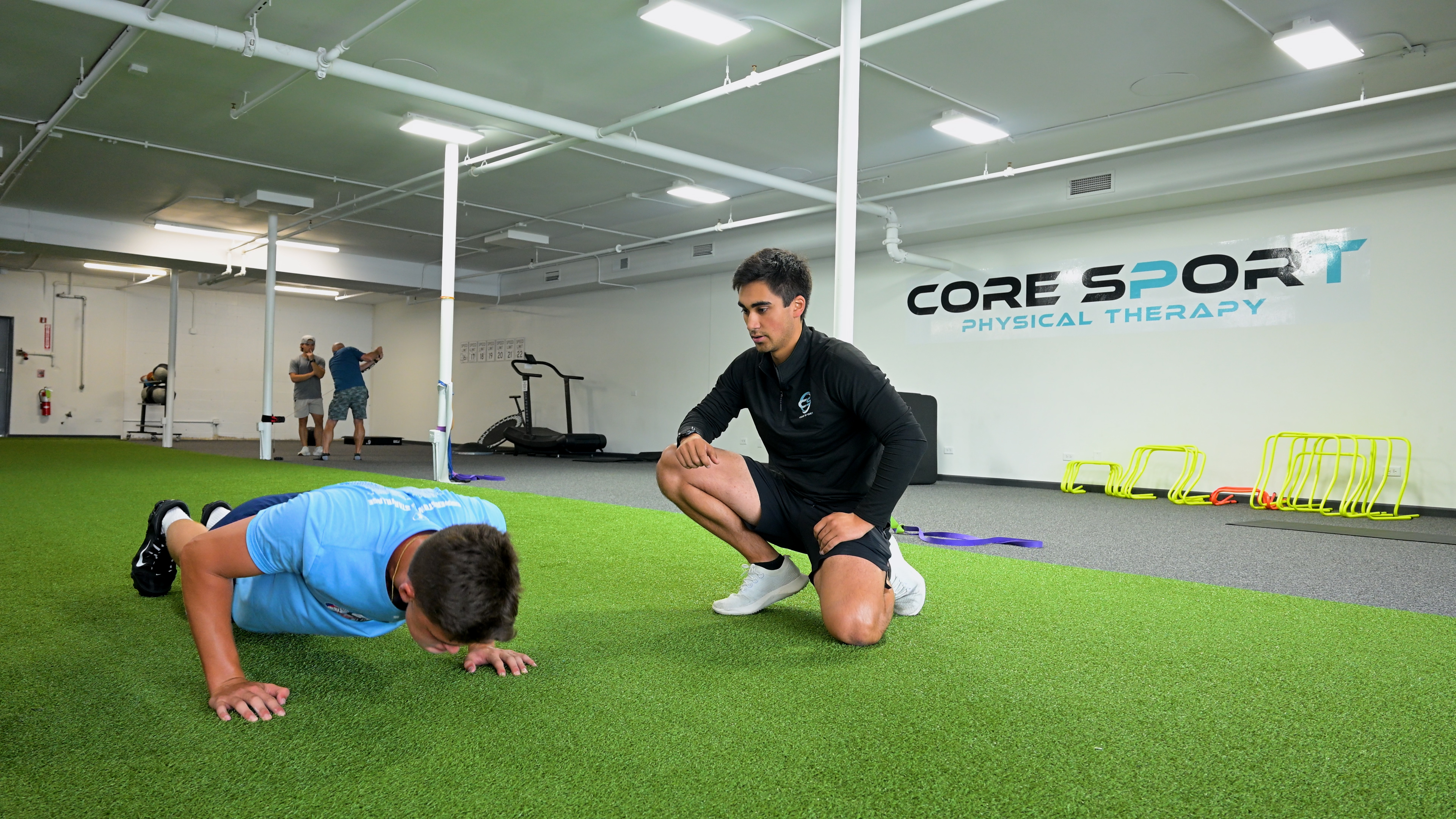
Early Sport Specialization: Why Developing the Athlete Matters More Than Developing the Sport
Over the last two decades, youth sports have become increasingly specialized. Many young athletes now focus on one sport year-round in hopes of earning a college scholarship, making an elite club team, or eventually competing professionally. Although these goals are understandable, early sport specialization is not the most effective path toward long-term athletic success. Research suggests that participating in multiple sports during childhood and adolescence can support overall athletic development, lower the risk of overuse injuries, and promote long-term enjoyment of sport.
From a strength and conditioning perspective, the goal should be to develop well-rounded athletes before narrowing their training toward the demands of a particular sport. The National Strength and Conditioning Association's (NSCA) Long-Term Athletic Development (LTAD) framework emphasizes physical literacy, movement competency, and foundational athletic qualities before advanced sport-specific development (Lloyd et al., 2016). These principles are important when considering how early specialization may affect an athlete's long-term potential.
Understanding Early Sport Specialization
Sport specialization is generally defined as intensive participation in one sport while excluding other sports, often involving year-round training and competition. Young athletes may participate in school teams, club teams, travel programs, and private skill-development sessions simultaneously. This can create substantial physical and psychological demands, particularly during periods of growth and maturation.
Although specialization may be appropriate later in an athlete's development, research has found limited evidence that specializing before puberty is necessary to reach elite levels in most sports. Exceptions may exist in early-entry sports such as gymnastics and figure skating, where athletes often begin developing highly technical skills at younger ages (Jayanthi et al., 2013). However, for many sports, allowing children to experience different athletic environments may provide a stronger foundation for future performance.
The Long-Term Athletic Development Perspective
During childhood and adolescence, athletes are developing neuromuscular coordination, strength, balance, speed, and movement efficiency. Limiting participation to one sport may reduce opportunities to develop these qualities through different movement experiences.
Each sport presents unique physical and coordinative demands. Soccer develops aerobic capacity, acceleration, deceleration, and foot coordination. Basketball challenges reactive agility, jumping, and multidirectional movement. Volleyball develops jumping, landing mechanics, and overhead coordination, while baseball emphasizes rotational power, throwing, and hand-eye coordination. Wrestling develops body control, relative strength, and kinesthetic awareness. Football develops the ability to produce short bursts of high-intensity effort, rapidly change direction, absorb external forces, and coordinate movements under pressure.
Participating in multiple sports exposes athletes to a broader movement vocabulary. This variety can help build general physical preparedness (GPP) before progressing toward more sport-specific physical preparedness (SPP). Rather than repeatedly practicing the same movement patterns, multisport athletes experience different challenges that may improve their ability to adapt to new movement demands. The NSCA's LTAD framework supports this approach by emphasizing foundational movement competency and comprehensive athletic development (Lloyd et al., 2016).
A Personal Perspective: The Value of Multisport Participation
My athletic background is one reason I value multisport participation. Growing up, I played five sports including baseball, football, basketball, soccer, and volleyball. Each sport exposed me to different physical demands, movement patterns, and athletic challenges that contributed to my overall development. Participating in multiple sports allowed me to build a diverse athletic foundation, develop a variety of movement skills, and experience different competitive environments before eventually narrowing my focus to baseball.
I continued playing three sports, baseball, football, and basketball, throughout high school before deciding to specialize in baseball during my junior year, when I committed to play Division I baseball at Fairleigh Dickinson University. I began my collegiate baseball career at Fairleigh Dickinson, later transferred to Lake Land College, and ultimately finished my playing career at Lewis University.
Looking back, I sometimes wish I had continued participating in three sports throughout high school rather than narrowing my focus. Each sport exposed me to different movement patterns and physical demands. Football challenged my speed, explosiveness, and physicality. Basketball developed coordination, agility, and the ability to move and react in multiple directions. Baseball brought together many of these qualities through rotational movement, throwing, and explosive actions.
As I matured, I recognized how valuable those varied experiences were to my overall athletic development. They helped me become a more adaptable athlete and gave me a broader physical foundation. Although specializing in baseball was an important step toward my collegiate goals, I believe continuing to participate in multiple sports could have provided additional opportunities to develop as an athlete. This experience reinforces the importance of allowing young athletes to explore different sports before committing to one. As strength and conditioning professionals, we should recognize that developing athleticism is not limited to improving performance in a single sport.
Injury Risk and Physical Overuse
One of the primary concerns associated with early sport specialization is the increased risk of overuse injuries. Unlike acute injuries, which occur suddenly, overuse injuries develop when repetitive stress exceeds the body's ability to recover and adapt. Young athletes who repeatedly perform similar movements throughout the year may place excessive stress on the same muscles, tendons, joints, and growth plates.
Examples include Little League elbow or shoulder, stress fractures, patellar tendinopathy, and other repetitive-use conditions. There is an association between high levels of sport specialization, intensive training, and increased injury risk in young athletes (Jayanthi et al., 2013). Training volume is also important, as athletes who accumulate excessive organized sport hours without sufficient recovery may be vulnerable.
Additional research supporting delaying sport specialization found that participation in multiple sports is generally associated with lower injury risk and potential performance benefits among elite, professional, and Olympic athletes. These findings suggest that early specialization is not necessary for high-level athletic success and that a broader athletic foundation may benefit long-term development (McLellan et al., 2022).
This does not mean that playing multiple sports automatically prevents injuries. It highlights the importance of managing total workload, varying physical demands, and allowing adequate recovery. Coaches and parents should consider the athlete's combined practices, competitions, strength training, and private instruction instead of evaluating each activity independently. Monitoring the acute-to-chronic workload ratio (ACWR) can also help coaches evaluate changes in an athlete's recent workload relative to their longer-term training demands and identify large increases that may warrant attention. However, ACWR should be considered alongside other factors, including athlete readiness, recovery, training history, and individual response to workload.
Psychological Burnout and Long-Term Enjoyment
The effects of early sport specialization extend beyond physical health. Year-round participation in one sport can contribute to psychological burnout, characterized by emotional and physical exhaustion, reduced motivation, and diminished enjoyment. The American Academy of Pediatrics has identified intensive training and early sport specialization as potential concerns for young athletes' physical and psychological well-being (Brenner, 2016).
Multisport participation can provide variety, social interaction, and opportunities to experience success in different environments. Playing different sports may also help athletes maintain enthusiasm rather than feeling pressured to constantly perform in one setting. Long-term development should include enjoyment and continued participation, not simply short-term competitive results.
Recommendations for Parents, Coaches, and Strength Professionals
Parents, coaches, and strength and conditioning professionals should prioritize long-term development over early competitive achievement. Practical recommendations include:
- Encourage participation in multiple sports throughout childhood and early adolescence.
- Delay specialization when appropriate for the athlete's sport, development, and individual goals.
- Monitor total training and competition volume across all teams and programs.
- Provide consistent recovery opportunities throughout the week and year.
- Incorporate age-appropriate strength and conditioning that develops movement quality, coordination, strength, and speed.
- Prioritize athlete enjoyment, health, and development over rankings and tournament schedules.
Strength and conditioning professionals are uniquely positioned to help athletes develop foundational physical qualities while educating families about appropriate training progressions. The objective is not to discourage ambition or sport-specific training, but to ensure that specialization occurs at an appropriate point in the athlete's development.
Frequently Asked Questions
What is early sport specialization?
Early sport specialization is intensive, often year-round training in one sport while excluding other sports, usually starting before or around puberty. It often combines school teams, club or travel teams, and private skill sessions at the same time.
At what age should a young athlete specialize in one sport?
For most sports, research recommends delaying specialization until late adolescence, around ages 15 to 16 in most cases. Early-entry sports such as gymnastics and figure skating are exceptions, because athletes in those sports often begin technical training at younger ages.
Is playing multiple sports better for young athletes?
For most young athletes, yes. Playing multiple sports builds a broader base of movement skills, varies the physical stress on the body, and helps kids keep enjoying sport. A 2022 systematic review of elite, professional, and Olympic athletes found that multisport participation was associated with lower injury risk and potential performance benefits.
What injuries are linked to early sport specialization?
Early specialization is linked to overuse injuries, which develop when repetitive stress exceeds the body's ability to recover. Common examples include Little League elbow and shoulder, stress fractures, and patellar tendinopathy.
Can early sport specialization cause burnout?
It can contribute to burnout. The American Academy of Pediatrics has identified intensive training and early specialization as concerns for young athletes' physical and psychological well-being. Burnout shows up as emotional and physical exhaustion, lower motivation, and less enjoyment of the sport.
Should young athletes do strength training?
Yes, when it is age-appropriate and properly coached. The NSCA's long-term athletic development position statement supports youth training that builds movement quality, coordination, strength, and speed as a foundation for any sport.
Bottom Line: Develop the Athlete First
Early sport specialization is not the only path to athletic success, and for most young athletes, it may not be the best path. Multisport participation provides opportunities to develop a broader range of movement skills, experience different physical demands, and maintain enjoyment of sport. It may also help reduce the repetitive workload associated with year-round participation in a single sport.
My experience playing baseball, football, basketball, soccer, and volleyball growing up reinforced the value of developing as a complete athlete before specializing. Although I ultimately chose to pursue baseball at the collegiate level, I recognize how much those earlier experiences contributed to my athletic foundation. As strength and conditioning professionals, we should focus on developing the athlete first and the sport-specific performer second. The goal should be to create healthier, more adaptable, and more durable athletes who can continue participating and performing throughout their lives.
Train the Whole Athlete at Core Sport and Physical Therapy
At Core Sport and Physical Therapy, our sports performance coaches in Evergreen Park, Illinois, build youth athletes from the ground up with 1:1, full-hour sessions focused on movement quality, strength, speed, and injury prevention. If your athlete is dealing with an overuse injury, our physical therapists in Evergreen Park and Downers Grove can help them recover and get back to the sports they love. Learn more.
About the Author
Chris Seropian is the Head Sports Performance Coach at Core Sport and Physical Therapy in Evergreen Park, Illinois. A former multisport athlete, he played college baseball at Fairleigh Dickinson University, Lake Land College, and Lewis University. He is currently pursuing his Masters of Exercise Science with a concentration in Strength and Conditioning at Saint Xavier University, and was the Graduate Assistant for their strength and conditioning and sport science departments.
References
Brenner, J. S. (2016). Sports specialization and intensive training in young athletes.
Pediatrics, 138(3), e20162148. https://doi.org/10.1542/peds.2016-2148
Jayanthi, N., Pinkham, C., Dugas, L., Patrick, B., & LaBella, C. (2013). Sports specialization in
young athletes: Evidence-based recommendations. Sports Health, 5(3), 251–257.
https://doi.org/10.1177/1941738112464626
Lloyd, R. S., Cronin, J. B., Faigenbaum, A. D., Haff, G. G., Howard, R., Kraemer, W. J.,
Micheli, L. J., Myer, G. D., & Oliver, J. L. (2016). National Strength and Conditioning
Association position statement on long-term athletic development. Journal of Strength
and Conditioning Research, 30(6), 1491–1509.
https://doi.org/10.1519/JSC.0000000000001387
McLellan, M., Allahabadi, S., & Pandya, N. K. (2022). Youth sports specialization and its effect
on professional, elite, and Olympic athlete performance, career longevity, and injury
rates: A systematic review. Orthopaedic Journal of Sports Medicine, 10(11),
23259671221129594. https://doi.org/10.1177/23259671221129594